
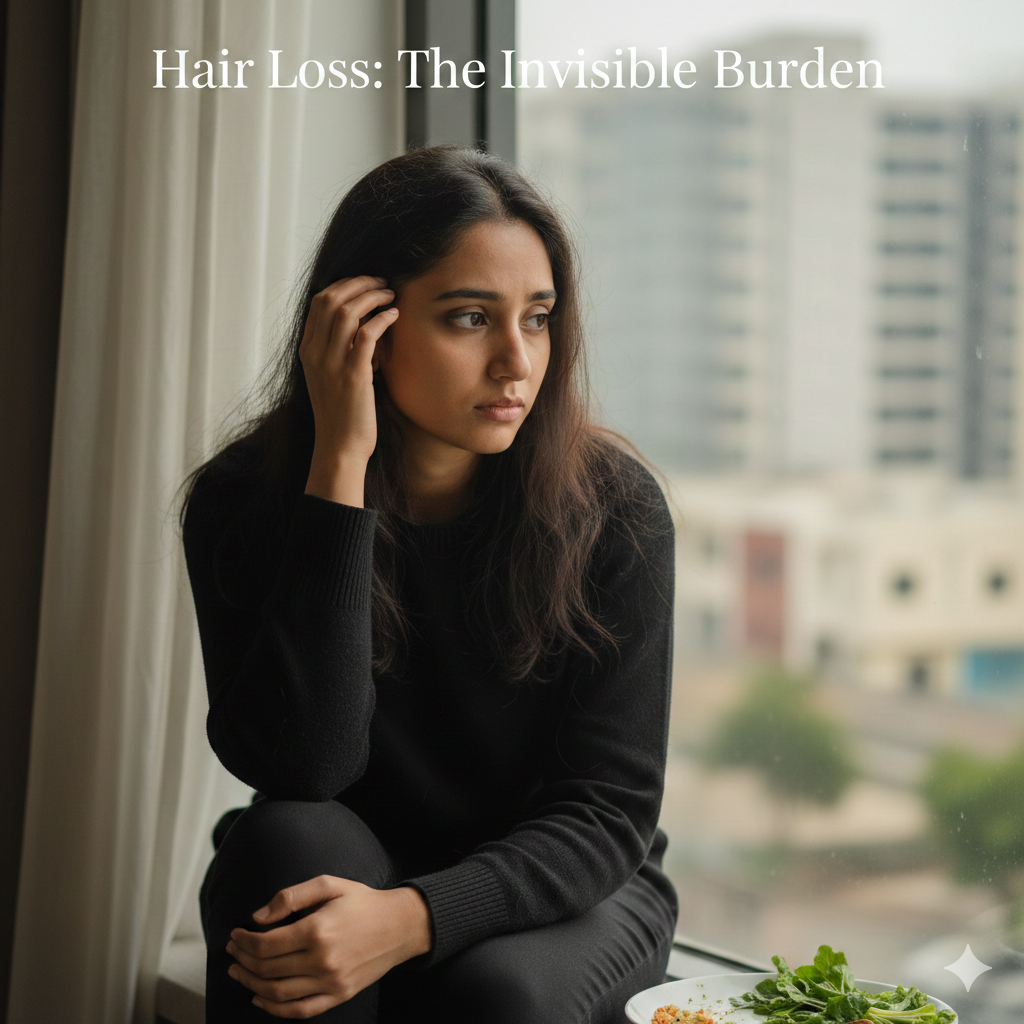
Hair loss can be distressing as it has an impact on your mental health, affects your social interaction and life.
Hair loss is one of the most common complaints for which people seek medical attention. Although hair loss and balding are associated with ageing, several members of younger generations are experiencing hair loss.
The incidence of hair loss is highest among individuals aged 21 to 40 years. Of the total cases of hair loss among patients visiting Home of Homeo, nearly 36% occur in females aged 21 to 40, followed by 12% in females aged 41 to 60.
Hormonal changes, autoimmune diseases, stress, and thyroid disorders are amongst the common causes of hair loss, along with genetic aetiology and trauma. Diet and sleep significantly impact hair growth patterns. Reduced protein consumption and Vitamin D deficiencies can lead to hair loss. In India, nutritional deficiencies are the most common cause of hair loss. Drugs used in the chemotherapeutic treatment of cancer, blood thinners, and cosmetic procedures such as hair dyeing or bleaching can also contribute to hair loss.
Hair loss can be categorised into two types: hair loss, also known as alopecia, and hair shedding.
Hair Shedding
It is normal to lose around 50 to 100 hairs per day, and any excessive loss is usually referred to as hair shedding. It is usually a self-limiting condition and does not require much treatment. Treatment might be necessary only if the stressor or trigger persists. Some of the common triggers for hair shedding are weight loss of 6-7 kgs, high emotional stress, high-grade fever, infections such as typhoid or recent surgery.
What can you do?
- Follow a protein-rich diet. Add eggs, lentils, and meat to your meals.
- Eat more Vitamin A-rich foods such as papaya, carrots, tomatoes, and beetroot.
- Fruits like strawberries, cherries, blueberries, raspberries, and apples are rich in isoflavones, which help reduce hair loss.
- Managing stress with Yoga and pranayama. Yoga poses like Matsyasana, Halasana, and pranayama Anulom Vilom can boost hair growth.
Hair Loss
Hair loss is primarily of the following kinds, depending upon the causative factor: alopecia areata, male pattern baldness, female pattern hair loss, and scarring alopecia.
- Alopecia areata, also known as spot baldness, is characterised by the rapid and complete loss of hair in one or more patches, typically on the scalp, beard area, and eyebrows. It is an autoimmune disease modified by genetic factors and aggravated by emotional stress.
- Female Pattern Hair Loss: one of the most common causes of hair loss in females is characterised by thinning of hair on the crown. It usually begins with widening of the parting line, followed by diffuse hair loss. Physical or emotional stress, underlying medical conditions such as hypothyroidism and hormonal changes are some of the causative factors.
- Male Pattern baldness is a genetic condition that can affect males as early as the 20s. A receding hairline and gradual thinning of hair from the crown and temples characterise it.
- Scarring Alopecia: It results in permanent hair loss. Inflammatory conditions such as lichen planus, folliculitis, tinea infections, lupus, and burns, as well as injuries, can result in permanent hair damage.
What can you do?
- A well-balanced diet with ample fluids in the day can do wonders for your hair.
- Consume foods that promote hair growth, such as those rich in omega-3 fatty acids, including flax seeds, fish, and walnuts.
- Curcumin, which is obtained from turmeric, is beneficial in cases of alopecia.
- A diet rich in protein, such as sprouts, dals, eggs, and meat, will aid hair growth.
- Exercise regularly to relieve emotional and mental stress. Asanas such as Uttanasana, Halasana, and Matsyasana improve scalp circulation and promote hair growth.
- Avoid tight hairstyles, such as ponytails, as they can cause hair loss due to the traction they apply.
- Regular scalp oiling helps maintain scalp health, except in cases of seborrheic dermatitis.
- Avoid bleaching and perming procedures for hair.
A Homoeopathic View of Hair Fall
Homoeopathic medicines are among the most effective treatments available for various types of hair loss. Hair loss is not just a local disorder, and treatment must differ based on the type of hair loss. Homoeopathy treats the patient and not just the disease. Some commonly used Homoeopathic remedies for hair loss include Acetum Flouricum, Acidum Phosphoricum, Natrum Muriaticum, Arnica Montana, and Jaborandi; however, a constitutional approach yields the best results. A Homoeopathic physician will carefully assess and analyse a patient’s case history. Such detailed information helps in prescribing the most accurate and effective Homoeopathic treatment for the patient.
References
- Hair Loss by Dr Farokh Master.
- Textbook of Dermatology by Dr Khopkar.
- Nutrition and Dietetics by Shubhangini Joshi.
First published on September 09, 2020
